What a Professional Roof Inspection Covers and Why It Matters
A professional roof inspection assesses the condition of your roof, identifying issues that local contractors can address to ensure safety and prevent costly repairs.
Understanding what a professional roof inspection covers and why it matters is an essential step for property owners looking to protect their investments. A thorough roof inspection typically examines key components such as shingles, flashing, gutters, and ventilation systems to identify potential issues like leaks, damage, or wear. Knowing the scope of these inspections can help property owners recognize the importance of regular assessments, especially in areas prone to severe weather or aging roofs. Local contractors offering expert roof inspections have the experience to spot problems that might go unnoticed, providing valuable insights to help maintain a roof’s integrity and prevent costly repairs down the line.
For property owners, exploring this topic is practical because a comprehensive roof inspection can uncover early signs of trouble before they develop into major issues. It’s a proactive approach that supports the longevity of a roof and the safety of the entire property. Whether preparing for a sale, addressing recent storm damage, or simply maintaining peace of mind, understanding what a professional roof inspection covers and why it matters helps make informed decisions. Local service providers are equipped to perform these inspections thoroughly, ensuring property owners have clear, reliable assessments to guide their next steps.
- Residential roof inspections - homeowners planning repairs or replacements seek these services, with local contractors thoroughly evaluating roof condition and identifying potential issues.
- Post-storm roof assessments - after severe weather, service providers inspect for damage that might not be visible from the ground, ensuring safety and proper repairs.
- Pre-purchase roof evaluations - prospective buyers request inspections to assess roof integrity before finalizing a property purchase, with local pros providing detailed assessments.
- Maintenance inspections - routine check-ups help detect early signs of wear or damage, allowing local contractors to recommend necessary repairs to extend roof lifespan.
- Leak detection services - when leaks are suspected, professionals perform targeted inspections to locate the source and advise on appropriate repairs.
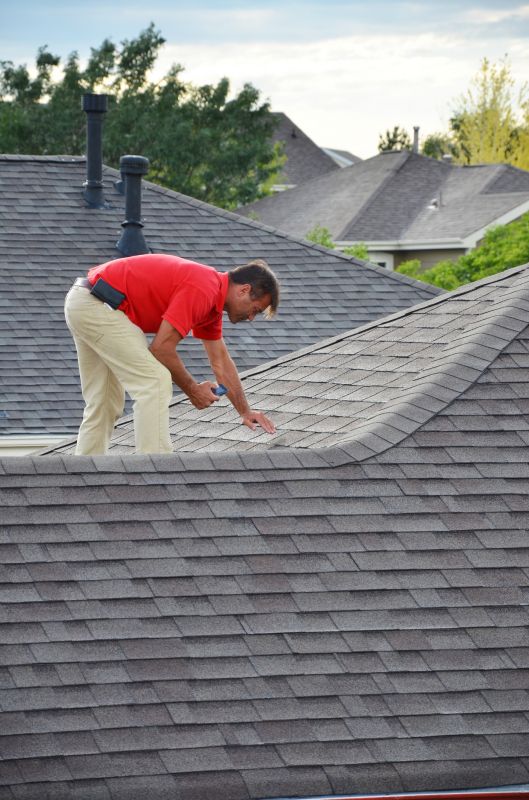

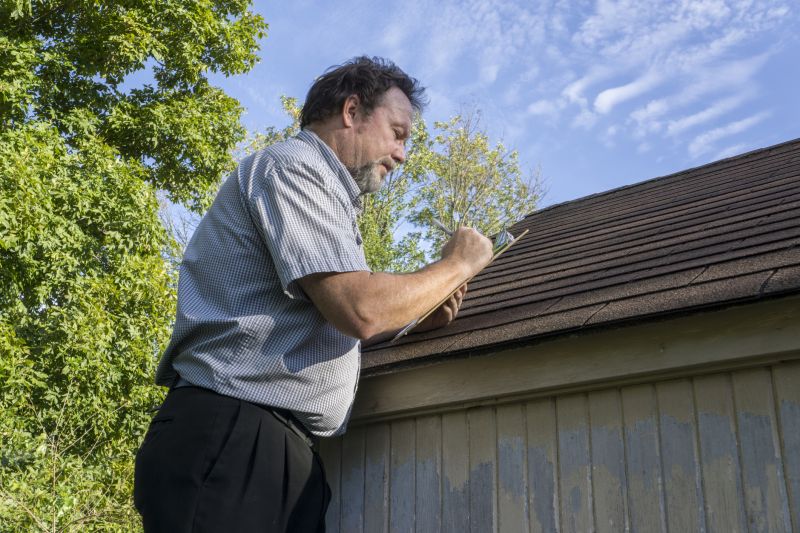
A professional roof inspection typically covers a thorough assessment of a roof’s overall condition, identifying existing issues and potential problems that could develop over time. When homeowners search for what a professional roof inspection covers and why it matters, they are often interested in understanding how the inspection evaluates key components such as shingles, flashing, gutters, vents, and the roof deck. The process involves checking for signs of damage, wear, or deterioration like missing or cracked shingles, curling edges, granule loss, rusted flashing, or sagging areas. This detailed review helps homeowners grasp the current state of their roof, providing a clear picture of what may need repair or replacement to prevent more serious damage later on.
The importance of a professional roof inspection extends beyond immediate repairs. It relates closely to planning for future projects, such as roof replacements or upgrades, as well as addressing specific problems like leaks, wind damage, or hail impact. For homeowners with ongoing maintenance concerns, an inspection can reveal early signs of trouble that might not be visible from the ground, such as compromised flashing or hidden leaks. It also plays a critical role during real estate transactions, where a comprehensive assessment can uncover issues that might influence buying decisions or negotiations. By understanding what a professional roof inspection covers and why it matters, property owners can make informed decisions that protect their investment and maintain the safety and integrity of their homes.
The types of properties that typically come up in discussions about roof inspections include residential homes, multi-family buildings, and small commercial structures. For homeowners, a roof inspection is often part of routine maintenance or a response to recent weather events that could have caused damage. In the case of real estate transactions, inspections are crucial for assessing the condition of the roof before purchasing or selling a property. Commercial property owners may also seek inspections to evaluate the condition of flat or low-slope roofs, which require different assessment techniques. Regardless of the property type, local service providers are equipped to handle a range of roofing systems, ensuring that inspections are tailored to the specific needs of each structure.
Understanding what a professional roof inspection covers and why it matters helps homeowners connect the assessment to real projects and ongoing property management. When local roof inspection contractors evaluate a roof, they consider both visible signs of damage and underlying issues that could compromise the roof’s performance. This comprehensive approach ensures that problems like leaks, mold, or structural weaknesses are identified early, allowing for timely repairs or planning for future replacement. For property owners, knowing that experienced professionals can provide detailed insights helps prioritize maintenance efforts and safeguard their investment. Ultimately, a professional roof inspection is a valuable step in maintaining a home’s safety, durability, and value over time.
Roof maintenance inspections - these projects involve assessing roof conditions to identify issues early, similar to what a professional roof inspection covers and why it matters.
Gutter and drainage system evaluations - inspecting gutters and drainage systems requires planning and tools comparable to those used in roof inspections to prevent water damage.
Structural assessments for buildings - evaluating the integrity of a building’s structure shares planning and safety considerations with comprehensive roof inspections.
Leak detection services - locating and diagnosing leaks involves detailed inspection skills similar to those used in roof assessments to prevent further damage.
Attic and insulation inspections - examining attic spaces and insulation levels uses similar planning and tools as roof inspections to ensure energy efficiency and detect issues.
Exterior siding and facade evaluations - assessing the condition of building exteriors involves inspection techniques and planning comparable to roof evaluations to maintain property integrity.
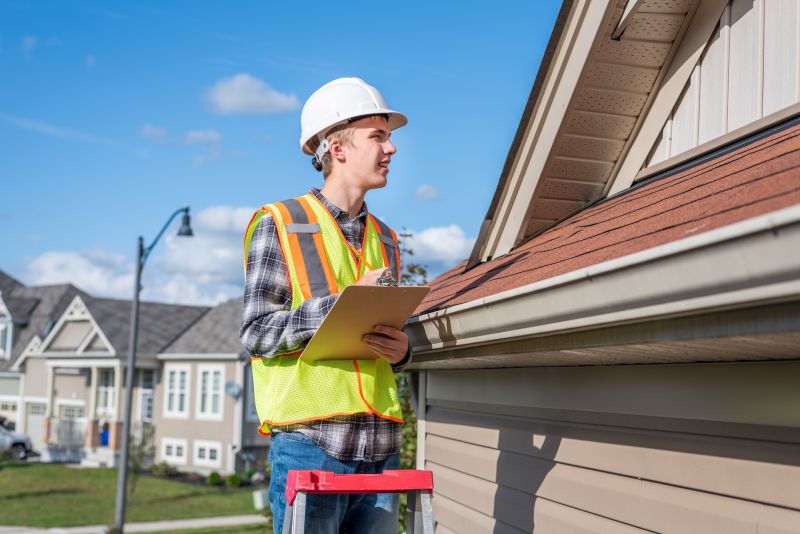
When comparing service providers for roof inspection services, it’s important to consider their experience with similar projects. Homeowners should inquire about how long a contractor has been performing roof inspections and whether they have a track record of handling properties comparable in size, style, or age. An experienced contractor is more likely to understand the nuances of different roofing systems and recognize potential issues that might be overlooked by someone less familiar. This familiarity can lead to a more thorough inspection, ensuring that all aspects of the roof are evaluated accurately and comprehensively.
Clear, written expectations are essential when evaluating local service providers for roof inspections. Homeowners should seek detailed descriptions of what a professional roof inspection covers, including the specific areas examined and the types of issues that will be identified. Having this information in writing helps prevent misunderstandings and ensures that the homeowner and the contractor are aligned on the scope of work. Reputable contractors will be transparent about what their inspection process entails, providing confidence that the inspection will be thorough and tailored to the property's unique features.
Reputable references and good communication are key factors in choosing a dependable roof inspection service. Homeowners can ask for references from previous clients to gain insights into the contractor’s reliability and the quality of their inspections. Additionally, clear and prompt communication throughout the process demonstrates professionalism and respect for the homeowner’s needs. Service providers who are transparent, responsive, and willing to answer questions can help homeowners feel more confident about the inspection process and the findings, ultimately supporting informed decisions about the roof’s condition and necessary repairs.
Property owners often search for what a professional roof inspection covers and why it matters when they are planning practical projects around their homes and businesses. Local pros provide Roof Inspection services for everyday jobs and straightforward project options.
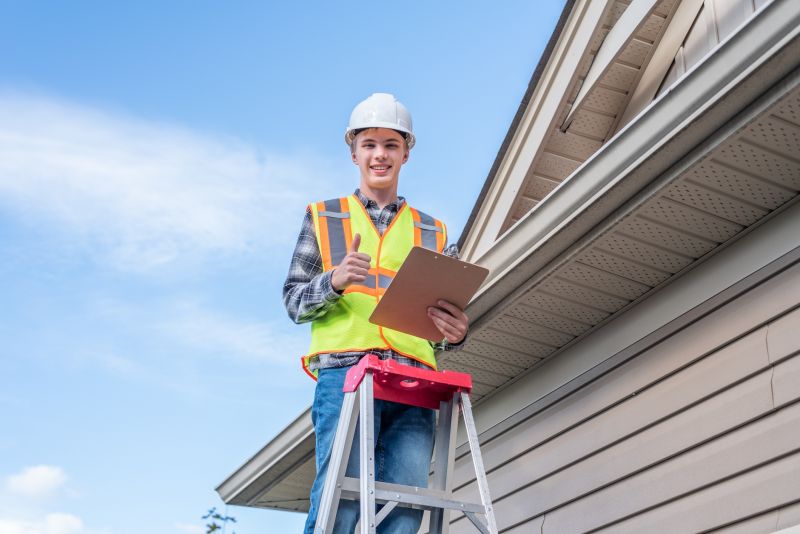
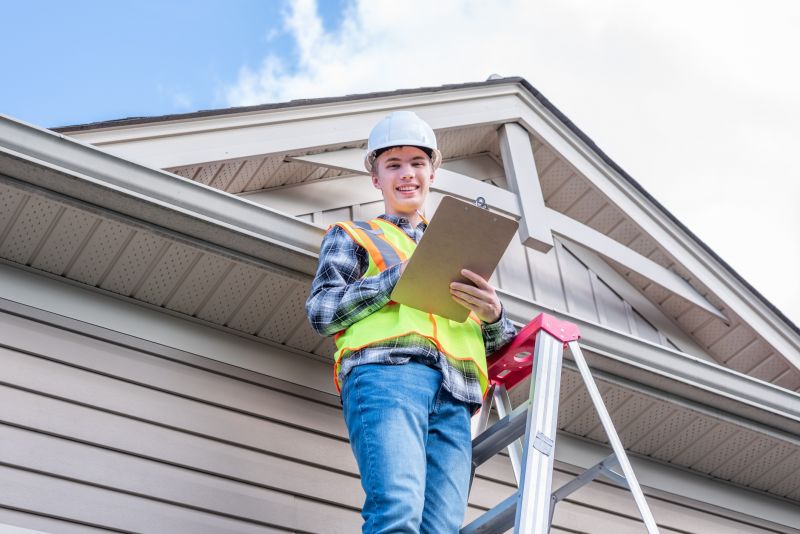
A professional roof inspection typically covers a thorough examination of the roof’s overall condition, including the shingles, flashing, gutters, and ventilation systems. During the inspection, service providers look for signs of damage such as missing or cracked shingles, leaks, rusted flashing, and areas where wear and tear may be progressing. They also assess the roof’s structural integrity and check for potential issues that could lead to more significant problems if left unaddressed. Property owners often seek out these inspections to identify early signs of trouble, especially after storms or severe weather, helping them prevent costly repairs down the line.
Understanding what a professional roof inspection covers and why it matters can help property owners in the local area make informed decisions about their homes. Regular inspections by experienced contractors can reveal vulnerabilities that might not be obvious from the ground, ensuring issues are caught early before they worsen. Whether preparing for a sale, dealing with recent weather damage, or simply maintaining the property, connecting with trusted service providers for roof inspections can provide peace of mind and help preserve the roof’s longevity.
What does a professional roof inspection typically cover? A professional roof inspection assesses the overall condition of the roof, including shingles, flashing, gutters, and ventilation systems, to identify any signs of damage or wear that could lead to future issues.
Why is a roof inspection important for homeowners? A roof inspection helps detect potential problems early, preventing costly repairs and ensuring the roof remains in good condition to protect the home’s interior and structural integrity.
How do local contractors evaluate the roof during an inspection? Local contractors conduct a thorough visual examination, checking for damaged or missing shingles, leaks, rust, and other issues that could compromise the roof's durability and performance.
What are the benefits of having a professional roof inspection done regularly? Regular inspections can uncover minor issues before they escalate, extend the roof’s lifespan, and maintain the safety and value of the property.
What should homeowners expect during a professional roof inspection? Homeowners can expect a detailed assessment of roof components, identification of current or potential problems, and recommendations for repairs or maintenance from experienced service providers.
Understanding roof components - A professional roof inspection covers the key parts of the roof, helping property owners identify potential issues early on.
Detecting damage and wear - Local contractors can spot signs of weather-related damage or aging that may require repairs or maintenance.
Assessing roof safety and stability - Knowing whether the roof is structurally sound can inform decisions about repairs or upgrades for safety.
Planning for future maintenance - Insights from an inspection help property owners schedule necessary upkeep to extend the roof’s lifespan.
If you are thinking about what a professional roof inspection covers and why it matters for a property, this guide is meant to help you understand this topic, the typical project types, and how different options might fit your plans.
When you are ready, you can use the quote form on this page to share a few details about your project. From there, local pros can review the basics and follow up with options that match what you have in mind.